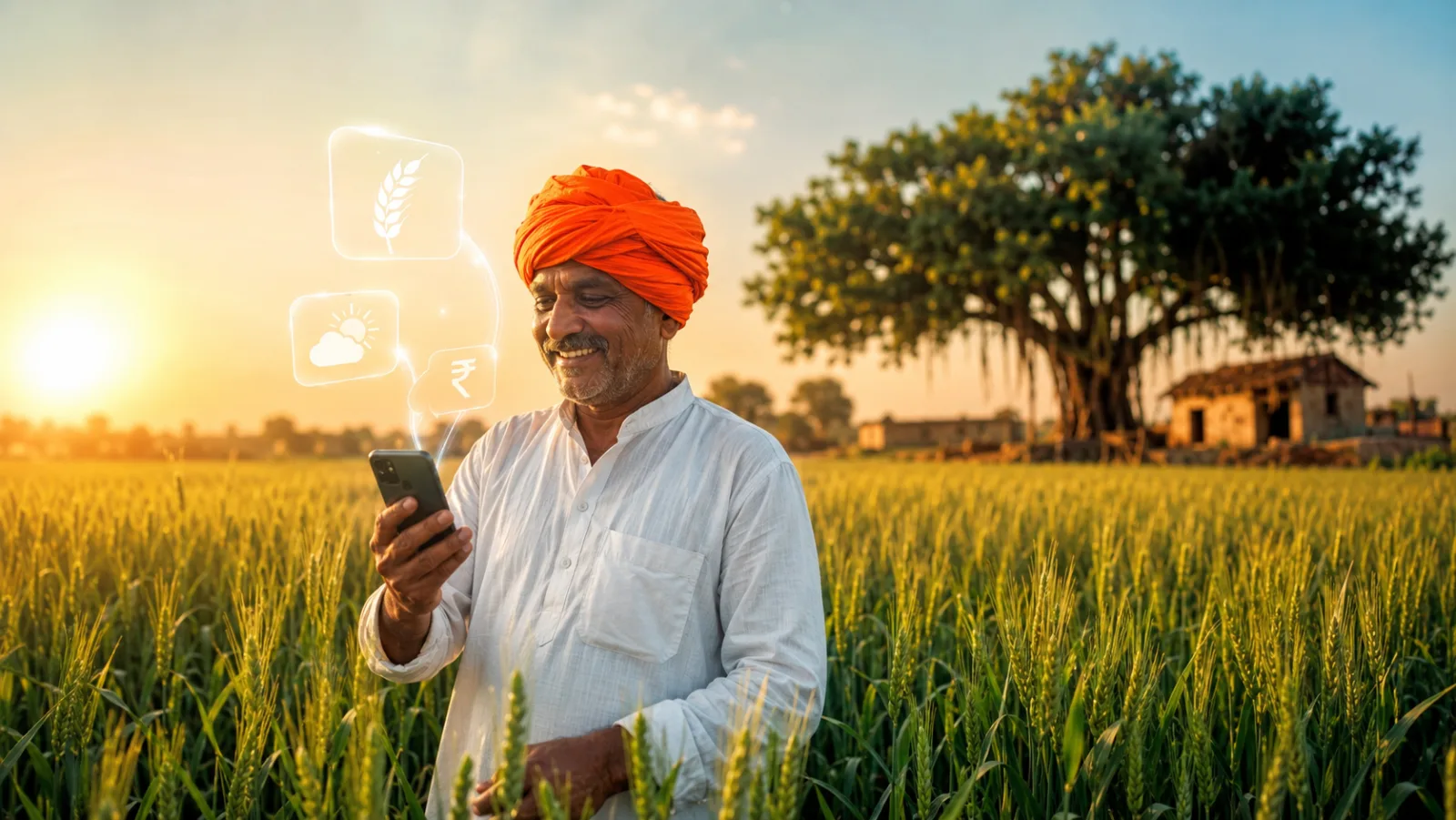
Soil Health Card 2026 — How to Get Your Free Soil Test Report
Soil Health Card 2026: How to get your free soil test, read the 12 parameters, follow the fertiliser recommendation, and download the SHC Mobile app. Step-by-step apply.

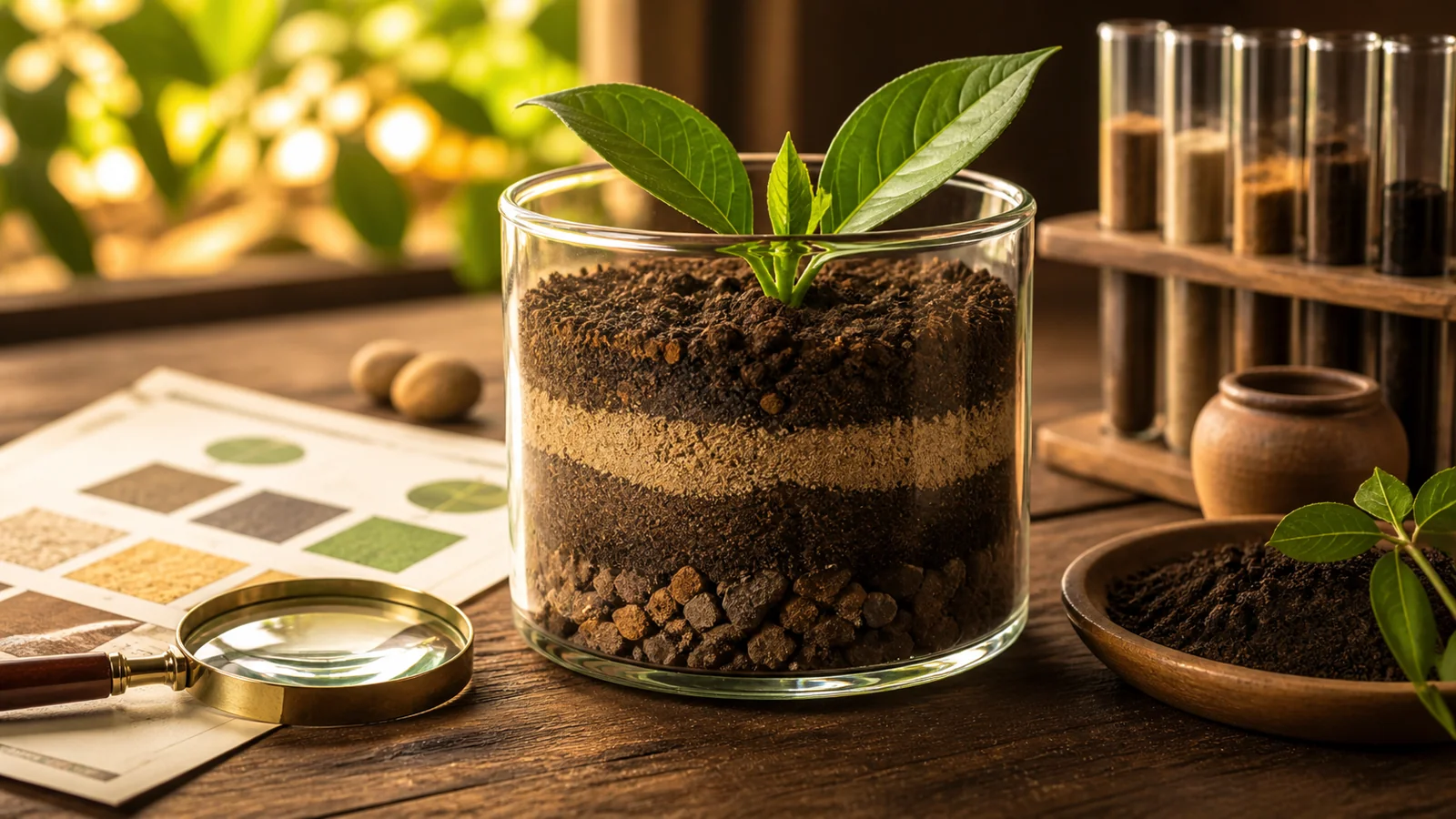
Table of Contents ▾
Quick summary. Soil Health Card (SHC) is a free, government-issued report that tells a farmer the 12 nutrient parameters of his soil and recommends the exact fertiliser dose needed for the next crop cycle. The scheme has been folded into PM Pranam (2024) and Soil Health & Fertility (SH-F) since 2023. How to get it: approach the Krishi Vigyan Kendra (KVK) or Agriculture Officer in your block, submit a soil sample, and receive the SHC by SMS + post within 30 days. Existing card-holders should re-test every 2 years since soil parameters drift with cropping. Download the Soil Health Card Mobile App to view and re-issue.
The Soil Health Card scheme was launched on 19 February 2015 with a simple thesis — Indian farmers over-apply N (urea) and under-apply P, K, S and micronutrients, dragging down both yields and soil quality. A free soil test fixes the prescription. Over 23 crore SHCs have been issued in the two cycles 2015–17 and 2017–19; the third cycle began in 2023 under SH-F and is targeted to issue 9 crore cards by March 2027.
The card is not just paperwork — it has a clear ROI. Farmers who follow SHC recommendations report an average 8–12% yield increase and a 20–25% drop in fertiliser cost, mainly because they stop over-applying urea where it isn’t needed.
Scheme at a glance
| Detail | Information |
|---|---|
| Scheme | Soil Health Card (now under SH-F / PM Pranam) |
| Ministry | Ministry of Agriculture & Farmers’ Welfare |
| Cost | Free (sampling, testing, card all free) |
| Re-test frequency | Every 2 years |
| Parameters tested | 12 — pH, EC, Organic Carbon, N, P, K, S, Zn, Fe, Cu, Mn, B |
| Issuing authority | State Agriculture Department + Krishi Vigyan Kendras |
| Apply mode | Offline at KVK / block agriculture office |
| Mobile app | Soil Health Card Mobile (Android, in 22 languages) |
| Official portal | soilhealth.dac.gov.in |
Who is eligible?
Educational Qualification
Not applicable
Age Limit (As on Date of application)
18 to 120 Years
Other Requirements
- Nationality: Indian citizen, owner / cultivator of agricultural land
- Every farmer in India who cultivates land — owner, tenant, share-cropper — is eligible for a free SHC
- One card is issued per farmer per Khasra; if you cultivate multiple plots in different soil types, request separate cards
- FPOs and Krishi Vigyan Kendras can request bulk testing for all members in a single sampling drive
- There is no income / land-holding limit — small and large farmers are both covered
- The card is mandatory for availing fertiliser subsidy under PM Pranam from the next cycle (notified by states)
What does the SHC tell you?
The card has two halves: (A) lab values for 12 parameters, and (B) recommendations for the next 2 cropping cycles.
| Parameter | Healthy range | What out-of-range means |
|---|---|---|
| pH | 6.5 – 7.5 | Below 6.5: acidic, add lime. Above 7.5: alkaline, add gypsum |
| Electrical Conductivity (EC) | < 1.0 dS/m | High: salinity issue — leach with irrigation |
| Organic Carbon (OC) | > 0.75% | Low: add FYM / compost / green manure |
| N (Nitrogen) | Medium–High | Low: increase urea / add legume rotation |
| P (Phosphorus) | Medium–High | Low: apply DAP / SSP at sowing |
| K (Potassium) | Medium–High | Low: apply MOP / sulphate of potash |
| S (Sulphur) | > 10 ppm | Low: add elemental sulphur or gypsum |
| Zn / Fe / Cu / Mn / B | Crop-specific | Foliar spray of the deficient micronutrient |
The recommendation half then tells you: “For Wheat in Rabi 2026–27, apply 120 kg/ha N + 60 kg/ha P₂O₅ + 40 kg/ha K₂O + 25 kg/ha ZnSO₄ as basal.”
How to get your card
Step 1 — Visit your KVK or block agriculture office
Every block has a Krishi Vigyan Kendra (research-extension centre) and an Agriculture Department office. Either is the entry point for soil testing.
Step 2 — Submit a soil sample (or have it collected)
You can do either:
- Self-collected — using a clean spade, take soil from 5 spots in your field at 6-inch depth, mix thoroughly, fill ~500 g into a clean polythene bag, label with your name + village + Khasra number, hand over at the KVK.
- Officer-collected — register on the SHC portal / mobile app; an extension officer visits your field on a scheduled date with GPS-enabled sampling equipment.
Step 3 — Lab testing (15–25 days)
The sample is sent to a state STL (Soil Testing Lab) or mobile soil-test van. Each sample is tested for all 12 parameters.
Step 4 — Receive the card
The SHC is generated on the central portal, sent to your mobile by SMS link, and a printed card is posted to the KVK for collection. Total time from sampling to card: 30 days.
⏰ Last Date: Open (rolling)
Visit Soil Health portalClicking this button will take you to the official government portal.
Documents needed
While filling online form
- Aadhaar card
- Land record (Khasra / Khatauni / patta) with the plot number you want tested
- Mobile number for SMS card delivery
- Soil sample (~500 g, properly mixed and labelled)
SHC Mobile App — what it does
The official Soil Health Card Mobile App (Android, 22 languages) lets farmers:
- View their current SHC by Aadhaar OTP login.
- Re-download / share the card on WhatsApp.
- Get crop-specific fertiliser-dose calculator based on the SHC values.
- Locate the nearest STL and book a re-sampling slot.
- View the cost-saving estimate vs blanket-recommendation fertilisation.
Frequently asked questions
1. Is the soil test free?
2. How long does it take to get the card?
3. How often should I re-test my soil?
4. Can I get a separate SHC for each of my fields?
5. Will I lose fertiliser subsidy if I don't have an SHC?
6. Can I take the soil sample myself?
7. What if the recommendation looks wrong?
8. Is the SHC mobile app the same as the portal?
Latest updates
In April 2026, the Department of Agriculture launched SHC 2.0 under SH-F: every soil test now also reports microbial biomass and soil-respiration rate as a 13th and 14th parameter — useful indicators for organic-cluster farms. The Department is also piloting AI-based fertiliser recommendation in 100 districts, where the SHC values are fed into a model that issues farm-specific advice for 8 major crops.
Official links
Disclaimer. SarkariBaba is an independent information publisher. Always follow the SHC recommendation in conjunction with local KVK guidance — fertiliser doses also depend on irrigation, climate and crop variety.